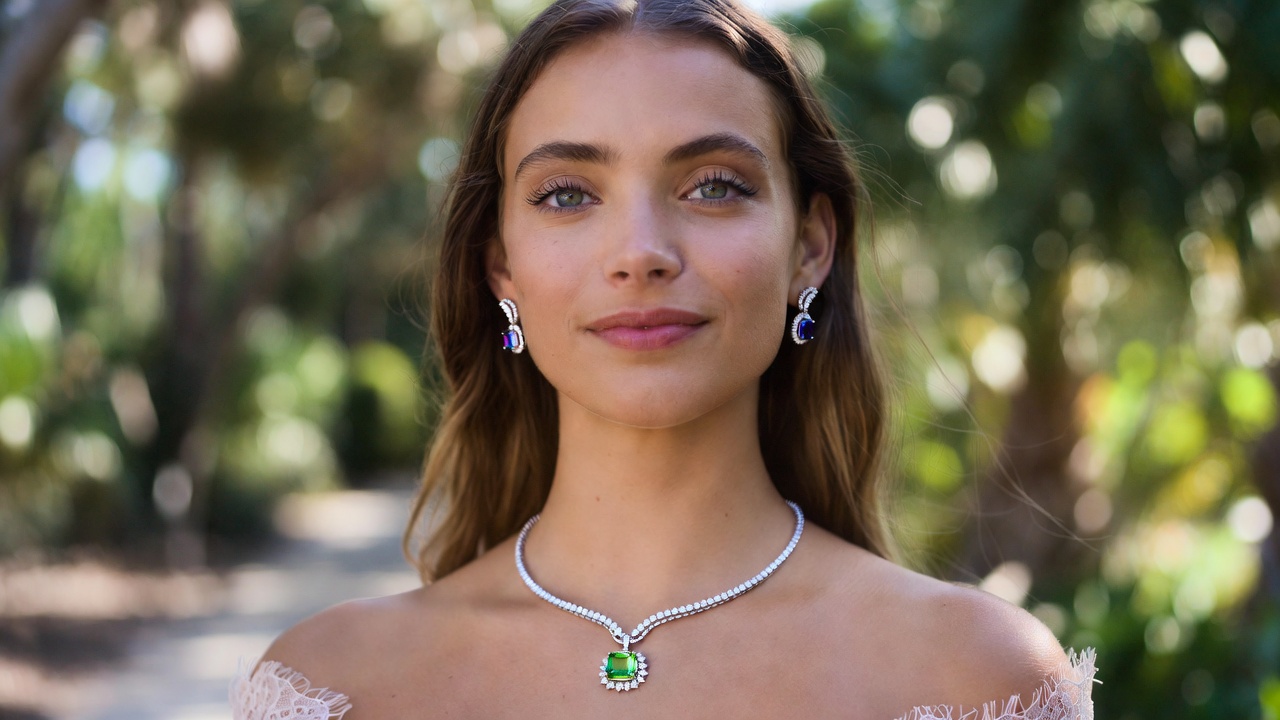
In the evolving landscape of fine jewelry, sustainability has emerged as a paramount consideration for discerning consumers. As we navigate 2026, lab-grown diamonds and ethical sourcing practices are not merely trends but foundational elements reshaping the industry. These innovations address growing concerns over environmental impact, human rights, and resource depletion associated with traditional mining. Lab-grown diamonds, chemically identical to their natural counterparts, offer a conflict-free alternative that aligns with conscious consumption values. Ethical sourcing, bolstered by technologies like blockchain, ensures transparency from origin to final product.
At Bergman’s Jewelers in North Palm Beach, Florida, we are committed to embracing these advancements, providing clients with pieces that embody ethical luxury without compromising on brilliance or quality. This article explores the key facets of sustainable jewelry in 2026, including the rise of lab-grown diamonds, the importance of ethical sourcing, emerging trends, and practical guidance for making informed choices. By integrating these elements, consumers can invest in jewelry that reflects both personal style and global responsibility. With market projections indicating that lab-grown diamonds will capture over 20% of the global diamond market by year’s end, the shift toward sustainable sparkle is undeniable.
Understanding Lab-Grown Diamonds: Innovation Meets Tradition
Lab-grown diamonds represent a technological triumph in the jewelry sector. Created through advanced processes such as High-Pressure High-Temperature (HPHT) or Chemical Vapor Deposition (CVD), these diamonds replicate the natural formation conditions in controlled environments. The result is stones that are optically, chemically, and physically indistinguishable from mined diamonds, often at a fraction of the cost—up to 80% less for equivalent quality.
In 2026, the appeal of lab-grown diamonds extends beyond affordability. They embody ethical luxury, free from the risks of conflict diamonds and labor exploitation prevalent in some mining operations. Industry leaders note that over 50% of engagement rings sold in the United States now feature lab-grown center stones, a figure that continues to rise as millennials and Gen Z prioritize sustainability. Globally, production hubs like China contribute over 70% of lab-grown diamonds for jewelry, driving down prices through efficient manufacturing and renewable energy integration.
For consumers in regions like Florida, where environmental awareness is heightened due to coastal vulnerabilities, lab-grown options provide a resonant choice. Bergman’s Jewelers offers a curated selection of SCS Global-certified lab-grown diamonds, ensuring they meet rigorous sustainability benchmarks. These diamonds not only reduce the carbon footprint—often by 90% compared to mining—but also support a circular economy by minimizing resource extraction.
Ethical Sourcing: Transparency and Traceability in Jewelry Supply Chains
Ethical sourcing in jewelry encompasses more than just the origin of gemstones; it involves comprehensive accountability across the supply chain. In 2026, blockchain technology has become a standard for verifying traceability, allowing consumers to track a diamond’s journey from lab or mine to mounting. This transparency mitigates issues like conflict diamonds, ensuring that purchases do not fund unrest or exploitation.
Recycled metals play a pivotal role in this paradigm. Brands are increasingly using repurposed gold and silver, certified under initiatives like Fairmined, to create settings that complement lab-grown diamonds. For instance, antique gemstones are being reintegrated into new designs, promoting a circular economy and reducing waste. Ethical considerations also extend to labor practices, with suppliers adhering to standards that prioritize fair wages and safe working conditions.
At Bergman’s Jewelers, ethical sourcing is integral to our philosophy. We partner with suppliers who utilize blockchain-backed traceability and renewable energy sources in production, aligning with the broader industry goal of net-zero emissions by 2050. This commitment resonates in North Palm Beach, where clients seek pieces that reflect their values—sustainable, traceable, and impactful.
Emerging Trends in Sustainable Jewelry for 2026
The jewelry trends of 2026 emphasize innovation, personalization, and eco-conscious design. Lab-grown diamonds are at the forefront, with a surge in colorful gemstones and unconventional cuts like baroque or rose-cut, offering unique alternatives to traditional rounds. Desert diamonds—sandy-hued lab-grown varieties— are gaining popularity for their earthy tones, ideal for versatile, everyday wear.
Self-gifting and meaningful milestones drive demand for customizable pieces, where lab-grown diamonds are paired with symbolic motifs or engraved elements. In India and emerging markets, lab-grown options are carving niches in gifting, with preferences rising to 44% due to affordability and ethics. Globally, the integration of advanced materials positions lab-grown diamonds beyond adornment, venturing into high-tech applications like semiconductors and quantum computing, further validating their versatility.
Sustainability trends also highlight mixed-media designs, combining lab-grown diamonds with recycled metals for bold, sculptural forms. Brands like Mejuri and Brilliant Earth are leading with collections that prioritize climate-neutral production, appealing to consumers who demand both aesthetics and accountability. In 2026, these trends underscore a shift toward conscious luxury, where jewelry serves as a statement of environmental stewardship.
Environmental and Consumer Benefits of Sustainable Choices
Opting for sustainable jewelry yields multifaceted benefits. Environmentally, lab-grown diamonds drastically cut water usage, land disruption, and emissions compared to mining. Traditional diamond extraction can consume up to 126 gallons of water per carat, whereas lab processes are far more efficient, often powered by renewables.
For consumers, the advantages include superior value retention in an ethical context, though prices have fallen 75% in recent years due to oversupply, making high-quality pieces accessible. This democratization of luxury empowers buyers to select larger or more intricate designs without financial strain. Moreover, ethical sourcing fosters trust, with certifications ensuring no compromise on quality or durability.
In humid climates like Florida’s, sustainable materials offer practical perks, such as enhanced resistance to tarnish through innovative coatings. Bergman’s Jewelers emphasizes these benefits, guiding clients toward selections that balance longevity with eco-friendliness.
How to Choose Sustainable Jewelry: Practical Guidance
Selecting sustainable jewelry requires diligence. Begin by verifying certifications: look for SCS Global or IGI stamps on lab-grown diamonds, confirming ethical production. Inquire about supply chain transparency—reputable jewelers provide detailed provenance.
Consider the 4Cs (cut, color, clarity, carat) alongside sustainability metrics. Opt for pieces from brands committed to recycled metals and fair labor. For engagement rings, lab-grown options now dominate preferences, blending romance with responsibility.
At Bergman’s Jewelers, our experts in North Palm Beach offer personalized consultations to navigate these choices. Whether seeking a bespoke necklace or earrings, we ensure each piece aligns with 2026’s sustainable ethos.
Conclusion: Embracing the Future of Ethical Luxury
As 2026 unfolds, sustainable jewelry—anchored by lab-grown diamonds and ethical sourcing—stands as a beacon of progress. This movement not only mitigates environmental harm but also elevates consumer experiences through innovation and transparency. By choosing consciously, individuals contribute to a more equitable industry.
Bergman’s Jewelers invites you to explore our collection in North Palm Beach, where ethical luxury meets timeless elegance. Schedule a visit today to discover how sustainable sparkle can enhance your wardrobe while supporting planetary well-being. In this era of conscious consumption, your jewelry choices matter more than ever.