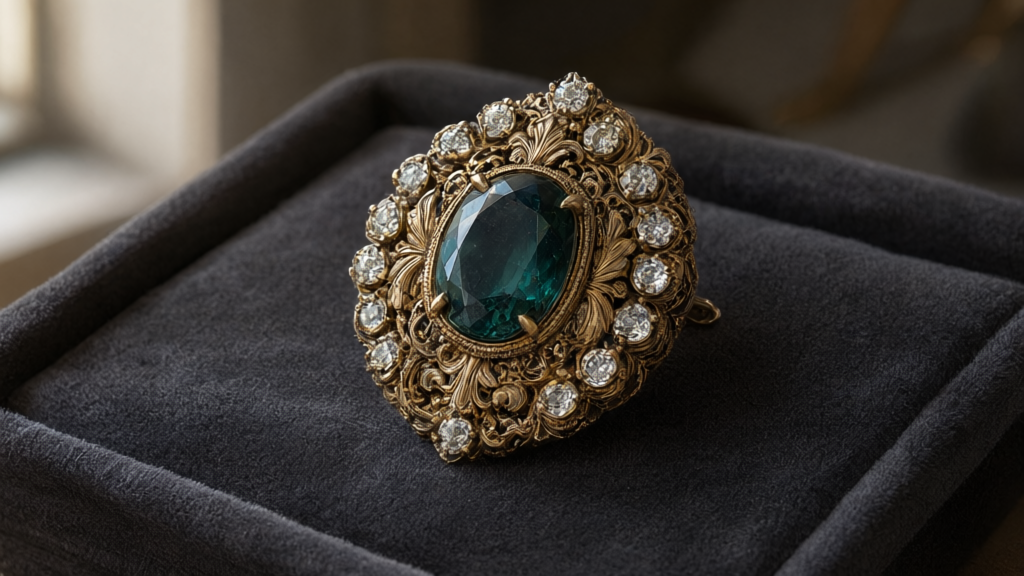
Estate jewelry is rarely a single number. It is a composite, a sum of parts that pull in different directions when the market shifts. On one side sits the metal: gold, platinum, silver. Its value tracks closely with commodity markets and production costs. When indices like the Producer Price Index, or PPI, rise due to inflation in mining and refining, the spot price of an ounce of gold moves upward. This is straightforward arithmetic. The weight of the band multiplied by the current melt rate gives you a floor for the piece. But this metric does not touch the heart of the object. The diamond set in that ring does not care about the cost of diesel fuel used in a South African mine last month. Its worth is determined by four specific attributes that were fixed long before you inherited it. Clarity, cut, color, and carat are physical realities, not financial derivatives. A one-carat diamond with VS1 clarity remains a one-carat diamond with VS1 clarity whether the dollar strengthens or weakens against the euro. The confusion often arises because people see the retail price of new jewelry fluctuate and assume the resale value of their grandmother's brooch follows the same curve. It does not. New inventory prices include labor, overhead, and current material costs. Estate pieces are judged on what they are, not what it costs to make them today. Understanding this separation is the first step in accurate valuation. You must learn to look at the metal and the stone as two distinct assets housed in one body. One is liquid and volatile; the other is stable and graded. If you conflate them, you will either undervalue the gem or overvalue the scrap. The goal is to see the whole picture without letting economic noise distort the intrinsic quality of the stones.
The Metal Component
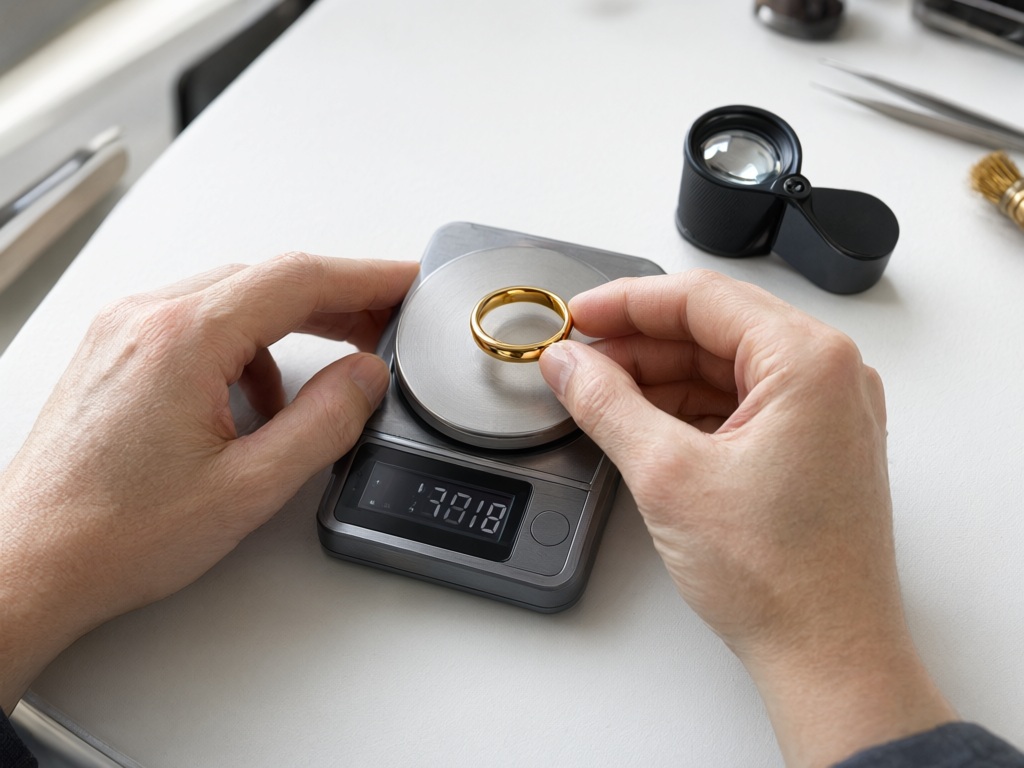
The metal component of your jewelry is tied directly to global supply chains and industrial demand. Precious metals are commodities. They are traded on exchanges where futures contracts determine tomorrow's price based on today's expectations. Inflation drives up the cost of extraction. Mining requires heavy machinery, energy, and labor. When the PPI shows a spike in producer costs for these inputs, miners raise their asking price for raw ore. Refineries pass those costs along to bullion dealers. Finally, jewelers pay more for the gram of eighteen-karat gold they buy from the wholesaler. This chain reaction explains why a simple wedding band might cost more this year than it did five years ago, even if the design hasn't changed. However, for estate pieces, we look at the melt value. This is the theoretical amount you would receive if you melted the ring down and sold the pure gold content. To calculate this, you need precise weight and purity. A scale that reads to the tenth of a gram is essential. You weigh the piece. Then you determine the karat. Eighteen-karat gold is seventy-five percent pure. Twenty-four-karat is one hundred percent. If you have a ten-gram ring made of eighteen-karat gold, you have seven point five grams of pure gold. You multiply that by the current spot price per gram. That figure is your baseline. It is the worst-case scenario, the value if the craftsmanship were ignored entirely. But metal prices can swing wildly based on geopolitical events or currency fluctuations. A strong dollar makes gold cheaper for foreign buyers, increasing demand and potentially raising prices. A weak dollar has the opposite effect. These movements affect the metal part of your jewelry every day. Yet, they do not change the fact that the setting itself might be hand-forged Art Deco work, which carries a premium far above its weight in gold. The metal tells you what the piece is worth in a fire. It does not tell you what it is worth in a case.
Stone Quality Is Not Market-Driven
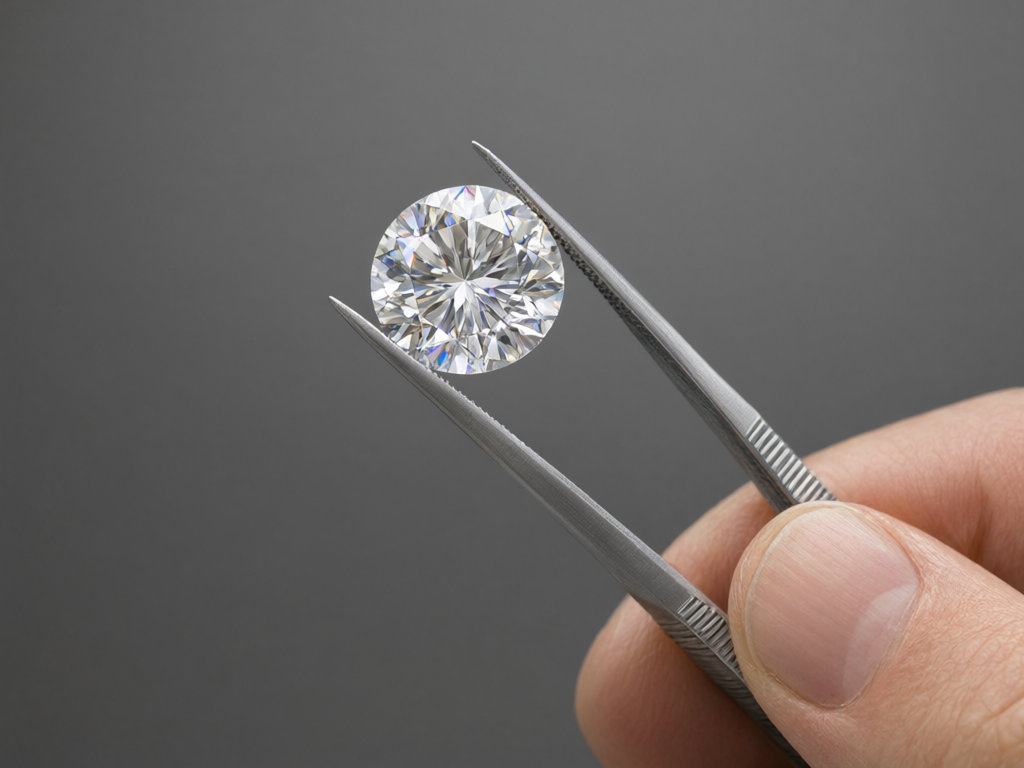
Diamonds and colored stones operate under a completely different set of rules. Their value is anchored in grading reports and rarity, not daily commodity trading. While the wholesale price of polished diamonds can drift slightly based on consumer sentiment, the intrinsic grade of a specific stone is immutable. A GIA certified diamond with excellent cut, F color, and VVS2 clarity holds that status regardless of whether the S&P 500 is up or down. The economy cannot polish a rougher surface or fill a fracture. These qualities are geological facts established millions of years ago. Colored stones add another layer of complexity. Rubies, sapphires, and emeralds are valued for hue, saturation, and tone. Treatments matter enormously here. A heat-treated sapphire is common and affordable. An untreated, unheated ruby of pigeon blood red is rare and expensive. Macroeconomic shifts might change how many people want to buy luxury goods, but they do not change the scarcity of a natural, untreated stone. In fact, during times of high inflation, some investors turn to tangible assets like large, high-quality gems as a hedge against paper money losing value. This can drive auction prices up for exceptional pieces, but it is driven by demand for the asset class, not by the production cost of the item. For most estate jewelry, however, the stone's value is assessed by comparing it to similar stones in recent sales. Appraisers look at databases of past transactions. They adjust for size, quality, and origin. They do not adjust for the price of electricity in the cutting factory last quarter. This independence from industrial metrics is why a well-chosen diamond retains its value better than a trend-driven fashion piece. The market for fine gems is deep and patient. It rewards quality over quantity. If you have a stone with strong grades, its worth is insulated from the volatility that affects the gold beneath it. The stone is the anchor. The metal is just the boat.
Appraising Your Inherited Piece
When you bring an inherited piece to an appraiser, you need to clarify which value you are seeking. There is no single correct answer, only different contexts for the question. Liquidation value, often called insurance replacement value or fair market value depending on the document, serves different purposes. If you plan to sell the piece quickly to a pawnshop or a generic buyer, they will likely offer you close to the melt value of the metal plus a small fraction for the stones. They are buying for scrap or quick resale. They know the PPI has pushed metal costs up, but they also know their profit margin depends on low acquisition. Fair market value, however, reflects what a knowledgeable buyer would pay a willing seller in an open marketplace. This considers the craftsmanship, the designer, the era, and the quality of the gems. A hand-engraved platinum filigree ring from the 1920s has artistic merit that transcends its weight. An appraiser documents this. They note the condition of the prongs, the brilliance of the center stone, and the historical significance of the style. At Bergman Jewelers, we handle estate jewelry regularly, so we see both ends of this spectrum. We evaluate consignment items based on their potential to sell in our specific market. We look at the GIA certification if available, especially for larger diamonds, because we specialize in those. For watches, particularly fine Swiss timepieces, we assess mechanical integrity and brand desirability. Pre-owned watches come with a one-year warranty here, which adds confidence to the purchase, unlike the metal melt calculation which offers none. When you ask for an appraisal, specify your intent. Are you selling? Insuring? Or simply curious? Each yields a different number. Do not expect the appraiser to guess your motive. Provide the context. Bring the paperwork if you have it. Understand that the final figure is a professional opinion based on data, not a guaranteed sale price. The metal may fluctuate tomorrow. The stone's beauty will not.
Bergman Jewelers is at 5340 Donald Ross Rd, Suite 110, Palm Beach Gardens. Call (561) 627-0900 if you would rather talk than browse.